How Long Are License Plates Issued in NY?
If you own a vehicle in New York or are planning to register one, you may be wondering how long license plates are issued and how long they remain valid. This is a common question, especially for those researching vehicle records using a New York license plate lookup owner tool.
The answer isn’t as simple as a fixed expiration date. In New York, license plates are designed for long-term use, but their legal validity depends on registration status and, in some cases, replacement requirements. Let’s explore how the system works.
Who Issues License Plates in New York?
License plates in New York are issued and regulated by the New York State Department of Motor Vehicles. This agency handles vehicle registration, plate issuance, renewals, and replacements throughout the state.
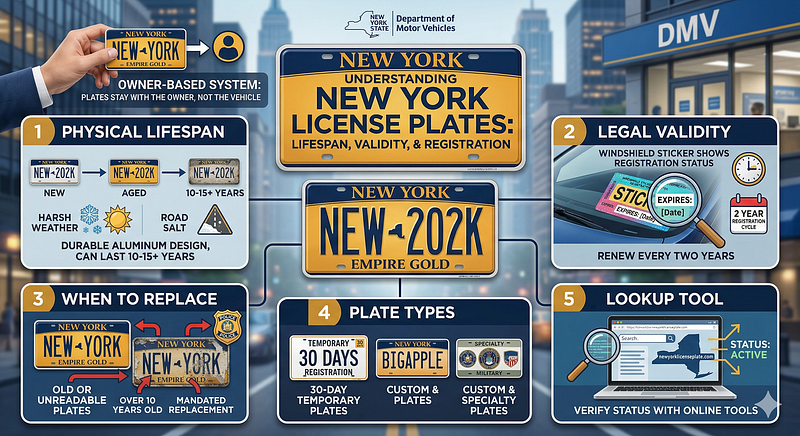
When you register a vehicle, the DMV assigns plates that are linked to you as the owner rather than permanently tied to the vehicle.
Do License Plates Expire in New York?
Here’s the key point:
License plates in New York do not typically have a fixed physical expiration date — but their registration must be renewed regularly.
This means:
- The plates themselves can last for many years
- They remain valid only if registration is current
- Expired registration makes the plates legally invalid
So while you might keep the same plates for a long time, their legal status depends on staying up to date with renewal requirements.
Registration Renewal in New York
Unlike many states that require annual renewal, New York typically uses a two-year registration cycle for most passenger vehicles.
What happens during renewal?
When it’s time to renew, you will:
- Pay registration fees
- Confirm or update your vehicle details
- Receive a new registration document and windshield sticker
The sticker is placed on your windshield and shows your registration expiration date.
What if you don’t renew?
Failing to renew your registration can lead to:
- Fines and penalties
- Suspension of your registration
- Possible vehicle impoundment
Additionally, expired registration may appear in public records. If someone performs a New York license plate lookup owner search, the plate may show as inactive or expired.
How Long Do Temporary Plates Last?
When you purchase a vehicle in New York — especially from a dealership — you may receive temporary plates or a temporary registration.
Typically:
- Temporary registrations last 30 days
- They allow legal driving while permanent plates or transfers are processed
- Dealers usually handle the paperwork submission
In many cases, New York drivers transfer existing plates instead of receiving new ones, which can change how temporary registration is handled.
Do Plates Stay With the Owner or the Vehicle?
New York is different from many other states:
???? License plates stay with the owner, not the vehicle.
When you sell a vehicle:
- You must remove the plates
- Plates can be transferred to another vehicle you own
- You may also surrender them to the DMV
The buyer must obtain their own plates and registration before legally driving the vehicle.
This owner-based system is important to understand, especially when using a New York license plate lookup owner service, as the plate is tied to an individual rather than a specific car.
How Long Do New York Plates Last?
New York license plates are built for durability and can last many years. In general:
- Plates can physically last 10–15 years or longer
- They remain valid as long as registration is active
- They may need replacement due to wear or state requirements
However, New York has taken steps in recent years to ensure older plates are replaced.
Plate Replacement Requirements in New York
New York has implemented initiatives to replace older license plates that are difficult to read.
Why replace plates?
- Older plates may lose reflectivity
- Fading can make them hard for law enforcement to read
- Newer designs improve visibility and safety
When are replacements required?
You may need to replace your plates if:
- They are older than 10 years
- They are visibly worn, peeling, or unreadable
- The DMV notifies you of required replacement
In some cases, drivers are required to upgrade to newer plate designs.
When Are New Plates Issued?
There are several situations where New York drivers receive new plates:
1. First-Time Registration
If you don’t already have plates, new ones are issued when you register a vehicle.
2. Plate Replacement
If your plates are damaged, lost, or outdated, replacements are required.
3. Vanity or Specialty Plates
Custom plates are newly manufactured and issued upon request.
4. Plate Surrender and Reissue
If you surrender your plates and later register another vehicle, you may receive new ones.
Specialty and Vanity Plates
New York offers a wide range of specialty plates, including:
- Military and veteran plates
- Organizational plates
- Custom (vanity) plates
These plates:
- Require renewal every registration cycle
- May include additional fees
- Must meet readability standards
Vanity plates remain valid as long as:
- Registration is active
- Renewal fees are paid
If not renewed, the custom plate combination can be released back into the system.
What Happens If Plates Are Not Renewed?
If you fail to renew your registration in New York, your plates become invalid.
Consequences include:
- Traffic tickets and fines
- Suspension of driving privileges
- Additional fees to restore registration
In serious cases, driving with expired registration can lead to legal complications.
From a data perspective, expired plates may still appear in lookup tools. A New York license plate lookup owner search might show that the registration is no longer active.
How to Check License Plate Status
If you want to verify a license plate’s status or research a vehicle, you can:
- Use official DMV resources
- Access third-party lookup tools
For a quick check, you can visit:
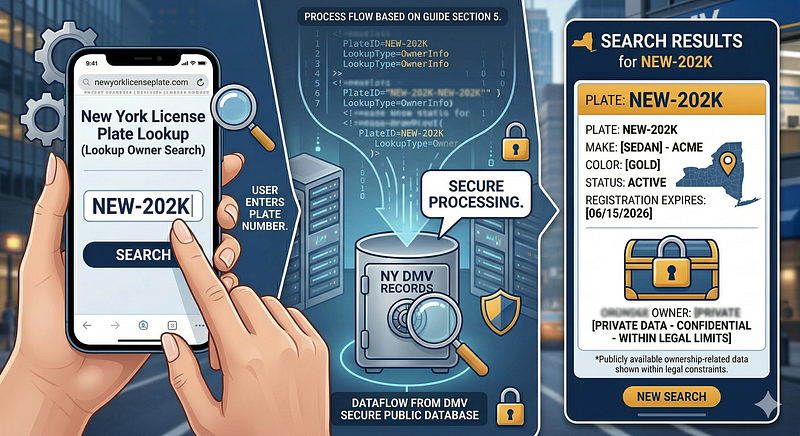
???? https://newyorklicenseplate.com/
These tools can help you:
- Confirm registration status
- Review vehicle information
- Access publicly available ownership-related data (within legal limits)
How Long Do Plates Physically Last?
New York license plates are made from aluminum and designed to withstand harsh weather conditions, including snow, ice, and road salt.
Typical lifespan:
- 10–15 years or more
Factors affecting durability:
- Exposure to sunlight (fading)
- Road salt and corrosion
- Physical damage from debris
If a plate becomes unreadable, it must be replaced — even if registration is still valid.
Do You Need to Replace Old Plates?
You may be required to replace your plates if:
- They are damaged or unreadable
- They exceed recommended age limits
- The DMV mandates replacement
- You choose to upgrade to a new design
Replacement requests are handled through the New York State Department of Motor Vehicles.
Key Takeaways
Here’s a quick summary of how long license plates are issued in New York:
- Plates are issued for long-term use and do not have a fixed expiration date
- Registration must be renewed every two years (for most vehicles)
- Temporary registrations typically last 30 days
- Plates stay with the owner, not the vehicle
- Plates may need replacement after about 10 years
- Expired registration makes plates legally invalid
Final Thoughts
New York’s license plate system is unique compared to many other states. While the plates themselves are durable and long-lasting, their legal validity depends entirely on maintaining current registration.
The owner-based plate system also means you have more flexibility when switching vehicles — but it also requires extra responsibility when selling or transferring ownership.
Whether you’re managing your own registration or researching a vehicle using a New York license plate lookup owner tool, understanding how long plates are issued in New York will help you stay compliant and informed on the road.